
-
 View Product
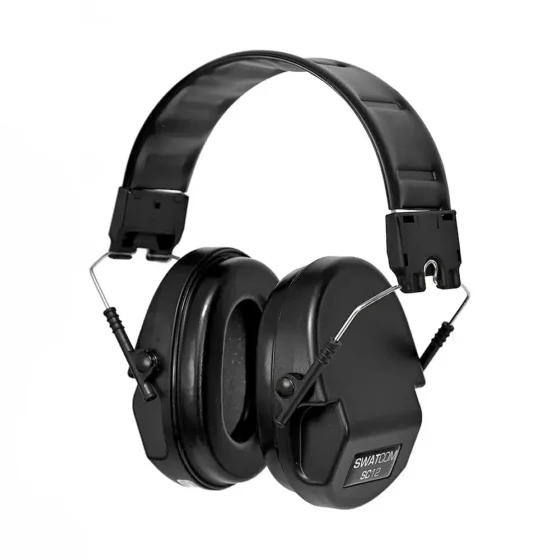
SWATCOM SC12 Passive Ear Defenders
£24.00 (Ex. VAT) -
 View Product
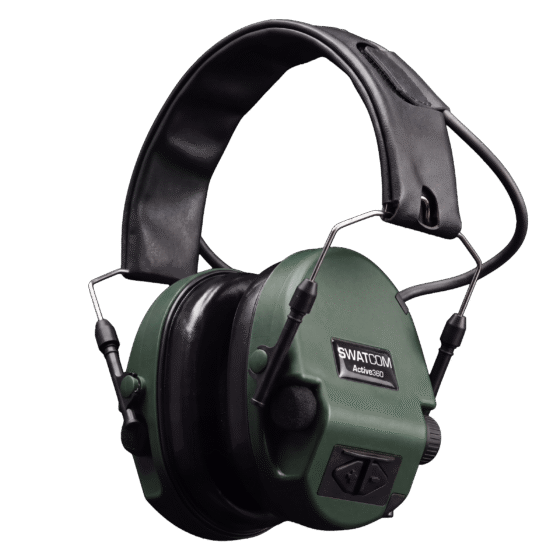
SWATCOM Active360 Electronic Ear Defenders
£312.50 (Ex. VAT) -
 View Product
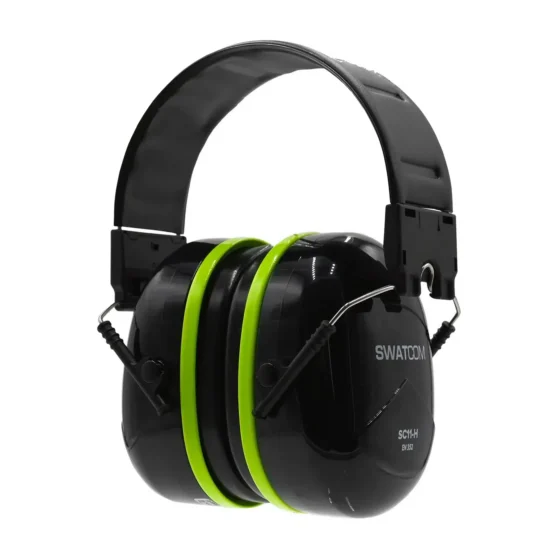
SWATCOM SC11 Passive Ear Defenders
£25.00 (Ex. VAT) -
 Out of stockView Product
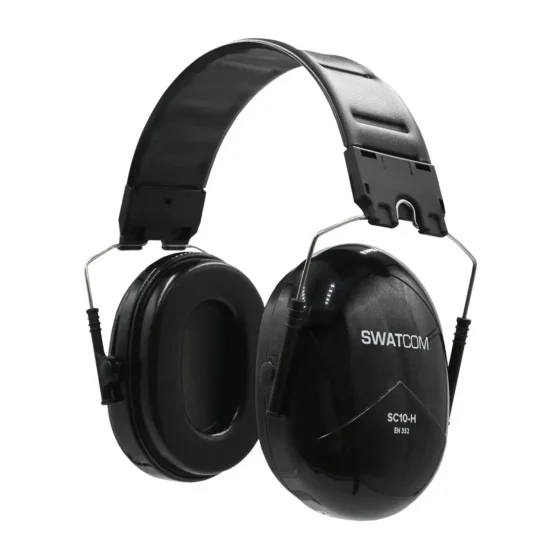
SWATCOM SC10 Passive Ear Defenders
£24.00 (Ex. VAT) -
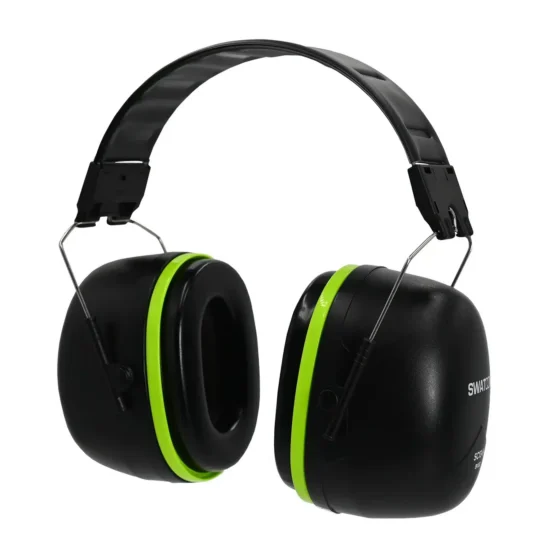 View Product
SWATCOM SC13 Passive Ear Defenders
£38.00 (Ex. VAT) -
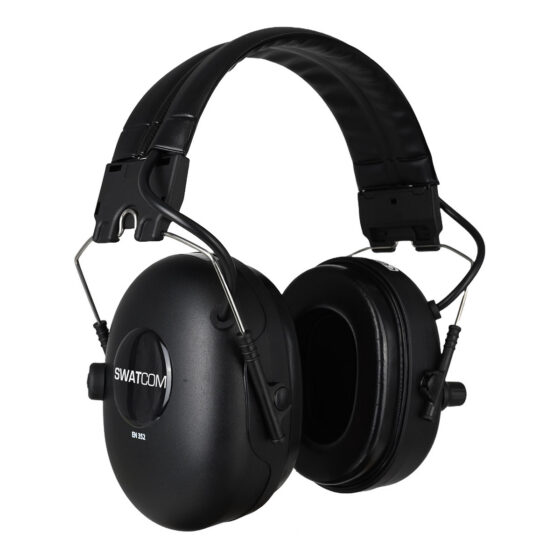 View Product
SWATCOM SC15 Electronic Ear Defenders
£200.00 (Ex. VAT)
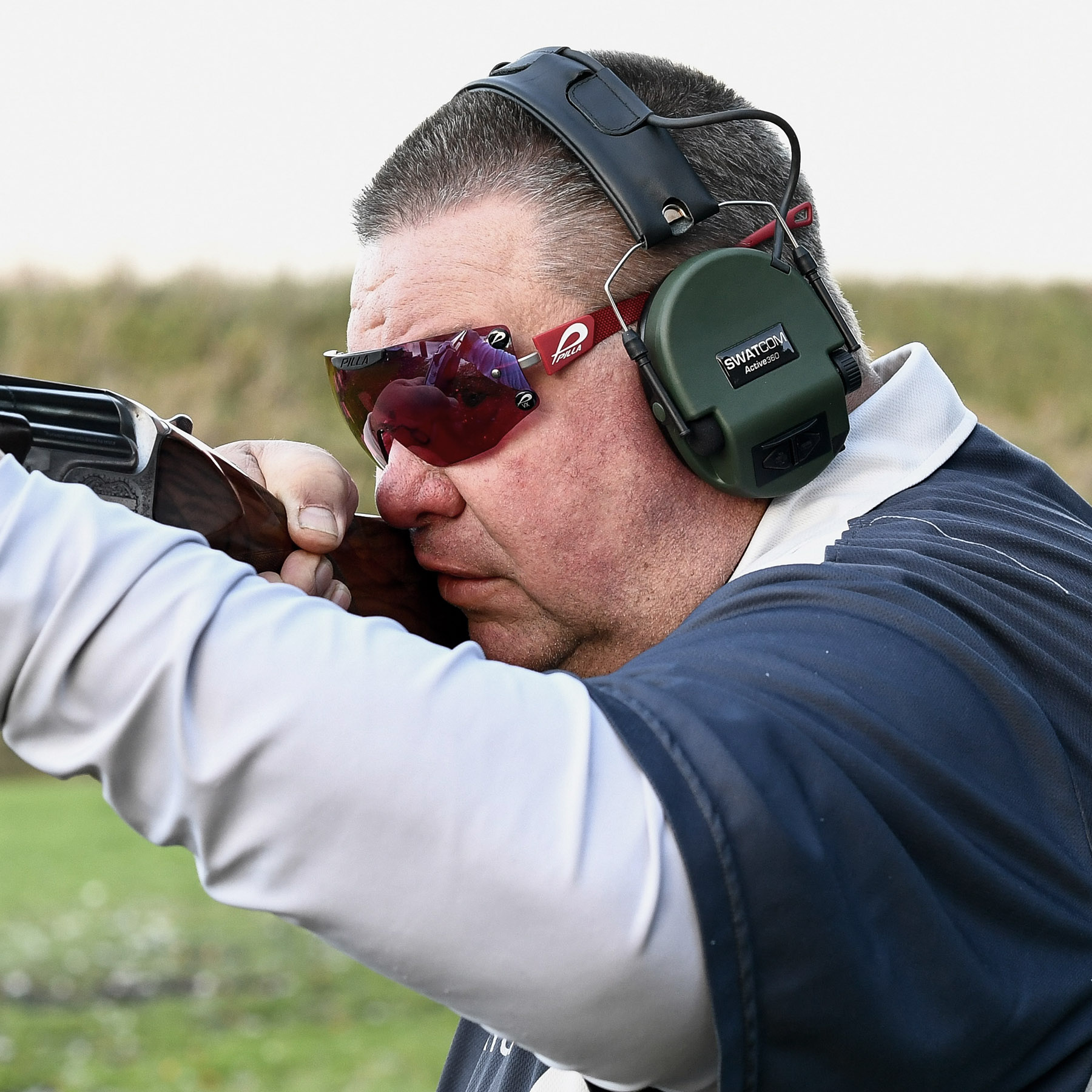
The importance of shooting ear protection
Designed specifically for the purpose of protecting your hearing from high-impulse gunshot noise, shooting ear defenders are a must have item.
Every trigger pull unleashes a blast that can spike above 160 dB—louder than a jet taking off at close range. At that intensity, permanent inner-ear damage starts in a single shot.
Unlike a bruised shoulder, noise-induced hearing loss never heals; the tiny hair cells that translate vibration into sound simply don’t grow back. Tinnitus—the maddening “ringing” many shooters develop—often follows the same irreversible path.
Don’t risk permanent hearing damage, wear adequate and certified ear protection for shooting when in the vicinity of gunfire.
Choosing the right Ear Defenders for shooting
When you pick shooting ear defenders, start with the numbers: look for at least 25 dB SNR (≈ 22 dB NRR) for outdoor rifles and shotguns, and 30 dB SNR or higher for indoor ranges or around magnum calibres.
Decide whether you need electronic ear muffs (which use microphones to play ambient noise back to the wearer for increased awareness) or simpler passive ones; then make sure the ear cups clear your stock, seal around slim-temple shooting glasses, and stay comfortable all session. Gel ear cushions and a sub-350 g weight help.
If you find ear defenders too bulky or uncomfortable, consider shooting ear plugs as an alternative option.
Reach out to us if you want professional advice and recommendations.

Frequently Asked Questions
How do shooting ear muffs work?
Ear Defenders work by significantly reducing the level of sound that reaches your ears. They are designed to provide maximum protection by effectively sealing around your ears, thereby blocking high-decibel noise produced by gunfire.
What is SNR and NRR?
SNR (Single Number Rating) is the EU/UK lab test that predicts how many decibels a protector will usually reduce under ideal fit. NRR (Noise Reduction Rating) is the North-American equivalent. Both are single figures based on detailed frequency-by-frequency attenuation tests. Because the test protocols differ, you can’t convert them exactly, but a quick rule is SNR ≈ NRR + 2–3 dB. The higher the number, the more potential noise reduction—assuming a proper fit and seal.
What noise-reduction level do I need for shooting?
Typical centre-fire shots peak at 155–175 dB. The Health & Safety Executive recommends bringing exposure below 140 dB for impact noise, so look for 25 dB SNR / 22 dB NRR or higher. Indoors or with magnum calibres, consider “doubling-up” (plugs + muffs) to add roughly 5–10 dB of extra attenuation.
What are electronic ear defenders?
A tiny external microphone feeds sound to a digital limiter. Low-level sounds (voice commands, prey movement) are replayed through an internal speaker, usually amplified for clarity, while impulse noise above a safe threshold is clipped or shut off in milliseconds. You get conversation-level hearing plus instantaneous protection.
Why use ear defenders instead of ear plugs?
Both reduce gun-shot noise, but defenders (over-ear “muffs”) give a more consistent seal because they cover the entire outer ear. They’re quicker to put on, still work if your hands are cold or dirty, and fit most users correctly on the first try.
Are these suitable for clay pigeon shooting?
Yes, our shooting ear defenders excel when it comes to protecting your hearing whilst clay pigeon shooting. For further information regarding clay shooting, please visit our partners at the Clay Pigeon Shooting Association (CPSA).
Can I wear ear defenders with shooting glasses or a cap?
Yes—choose “slim-temple” glasses or frames designed for hearing-pro booths, and seat the ballistic glasses before tightening the headband so the cushions compress evenly around the arms. Low-profile cap brims are fine; avoid thick beanies that can lift the cushions.
Can I use shooting ear protection for other loud activities?
Yes, while specifically designed for shooting, these ear defenders can be used for any activity involving loud noises, such as concerts, construction work, or even mowing the lawn.